24/7 Emergency Services - Call (937) 203-0123 for Immediate Assistance!
What Does Localized Flooding Mean - Everything You Need To Know
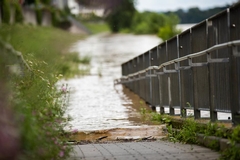
Have you ever watched as a torrential downpour overwhelms a city’s infrastructure, turning streets into rivers and backyards into ponds? Flooding can happen suddenly and with devastating effects. When it comes to the intricacies of flooding, one question that often arises is: What does localized flooding mean? Engulfing certain areas with unduly high surface water levels, localized flooding can hit unexpectedly, prompting a pressing need for emergency restoration in Dayton and its surrounding vicinities. For homeowners and businesses alike, understanding this phenomenon is crucial in protecting property and ensuring safety.
Localized flooding, unlike widespread flood events, targets specific areas, bringing with it unique challenges that require tailored responses. This blog post delves into the depths of localized flooding - what it means, why it happens, and how to respond when you find yourself in its path. From causes to preventive measures, we’ll cover the essentials to help you navigate the murky waters of specific flood hazards with confidence and clarity. Get ready to immerse yourself in knowledge about one of nature’s most unpredictable forces.
Understanding Localized Flooding
To comprehend the concept of localized flooding, it's essential first to grasp what sets it apart from widespread or regional flooding. So, what does localized flooding mean? Unlike a regional flood that can cover extensive geographical territories, localized flooding focuses on a small, defined area, often occurring when stormwater drains become overwhelmed or when rainfall intensity exceeds the capacity of the land to absorb water.
Factors such as urbanization play a significant role in localized flooding. As more surfaces become impervious due to development, the natural water absorption rate of the land decreases. Furthermore, the infrastructure, particularly in urban areas, may not be capable of handling sudden surges in water levels, such as during a heavy rainstorm. This increases the risk of water pooling in low-lying areas, leading to the specific flooding scenarios that property owners dread.
Causes and Impacts of Localized Flooding
Localized flooding can be triggered by a number of variables, each interplaying in unique ways to create those swamp-like conditions in specific spots. Generally, poor drainage systems can be major contributors. When stormwater management isn't optimized for sudden or heavy rainfall, the consequence is often localized flooding. Another common cause is topography. Areas that are naturally more depressed than their surroundings can collect water quickly.
The impacts of such flood events can be severe, affecting transportation, homes, and businesses. Water can seep into the foundations of buildings, necessitating water damage cleanup services in Dayton and increasing the urgency for restoration experts. The economic ramifications can be vast, with flooded roads disrupting daily commutes and deterring economic activities. As water saturates the earth, it can compromise the integrity of structures, leading to costly repairs.
Mitigating Risks and Preparing for Localized Flooding
Preparation is paramount when facing the unpredictable and potentially hazardous nature of localized flooding. Knowing what proactive steps can be taken not only protects property but also provides peace of mind during tumultuous weather.
Here’s a simple list for homeowners and businesses to minimize the risks associated with localized flooding:
- Install proper drainage systems. Make sure water can flow away from the property via well-maintained gutters and downspouts.
- Use landscaping to your advantage. Design gardens to help absorb water or redirect it away from structures.
- Elevate electrical items. Keep critical appliances and electronics off the ground whenever possible.
- Seal basement walls. Water-impermeable barriers can help keep flooding at bay.
- Stock up on essential supplies. Ensure easy access to emergency kits, including flashlights, batteries, and first aid items.
Implementing these measures reduces the likelihood of severe damage and eases the recovery process post-flood.
When Localized Flooding Strikes: Response and Recovery
Being caught in a localized flood isn’t just inconvenient, it can be dangerous. An immediate and effective response is crucial. Upon encountering flood conditions, the first priority must be personal safety. Avoid walking or driving through floodwaters as this not only risks injury but also vehicle damage.
Once safety is assured, contacting professional services is imperative. Water removal should be performed by those with expertise to prevent further damage. In Dayton, OH, Maximum Restoration offers dedicated emergency restoration services, helping clients reclaim and restore their properties efficiently and with minimal stress.
Beyond immediate water extraction, the recovery process may involve persistent mold removal. Since water and moisture can promote mold growth almost immediately, addressing this is key to maintaining a healthy environment post-flood. Proper cleaning, drying, and dehumidification, as undertaken by restoration professionals, help prevent secondary hazards such as mold infestations.
The Importance of Professional Restoration
Assessing the damage and crafting an optimal restoration strategy often requires specialized skills and equipment. For instance, maximum restoration efforts may focus on drying operations, structural repairs, and smoke damage restoration if flooding accompanies fire-related incidents. This is particularly relevant in areas where infrastructure or history of construction hasn’t prioritized contemporary flood deterrence.
After ensuring personal safety, the next step is to prevent further property damage and minimize loss. Experts in restoration use advanced tools to determine the extent of water infiltration and mold presence, implementing safe and effective cleanup practices.
Local Support and Services in Your Community
Finding reliable support close to home is critical for timely intervention and recovery. For example, Maximum Restoration provides exceptional services, including mold removal in Oakwood, to aid residents impacted by significant flooding. This city, along with others in the vicinity, benefits from localized expertise and a prompt response, ensuring property can be quickly and efficiently returned to its normal state.
Communities should foster awareness and preparedness, increasing resilience against future flood events. As climate patterns continue to pose unpredictable challenges, equipping yourself with the right knowledge and contacts is invaluable.
Taking the Next Step with Maximum Restoration
Understanding what localized flooding means empowers you to take preventive actions and seek necessary aid when needed. From implementing drainage solutions to ensuring safety measures are in place, preparation cannot be underestimated. For residents and businesses dealing with water challenges, having a trusted partner like Maximum Restoration at your side is crucial.
If you notice signs of mold growth or need immediate water damage cleanup, don't hesitate to reach out to professionals. This enables you to maintain the integrity of your property while minimizing health risks.
Contact one of the leading restoration companies in Dayton and protect your property from the unpredictable effects of localized flooding. With Maximum Restoration, you’ll find comprehensive solutions tailored to your needs, ensuring peace of mind and a swift return to normalcy after even the most challenging weather events.