24/7 Emergency Services - Call (937) 203-0123 for Immediate Assistance!
Mold Types on Wood and How to Identify Them
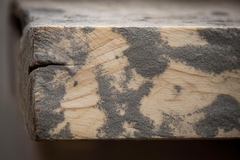
Wood is a timeless material that adds beauty and warmth to our homes and various structures. However, it is particularly susceptible to mold growth, especially in damp and humid environments. Mold doesn't just tarnish the appearance of wood - it can also compromise its integrity, leading to more serious structural problems if not addressed in a timely manner. Understanding the different mold types on wood and how to identify them is crucial for any homeowner or business owner in Dayton. Restoration contractors in Dayton and its nearby areas are well-versed in these issues and can provide the necessary services to address and remediate mold problems effectively.
Identifying mold types on wood is essential for determining the best course of action in mold remediation. Mold can range from harmless to highly toxic, making it imperative to know what you're dealing with. This blog post will explore the various mold types commonly found on wood, how to identify them, and what steps you can take if you encounter them in your home or office.
Common Mold Types Found on Wood
When it comes to mold types on wood, there are several prevalent varieties. Identifying each type involves understanding both its appearance and its potential impact on health and property.
1. Aspergillus
Aspergillus is a common mold that typically appears on wood surfaces as dark spots varying in color from yellow-green to black. This type often grows in water-damaged wood and is notorious for producing allergens and mycotoxins, which can lead to respiratory issues, especially in sensitive individuals. If you notice fuzzy spots of a dark hue on wood surfaces, Aspergillus might be present.
2. Cladosporium
One of the most adaptable mold types on wood, Cladosporium presents itself as olive-green to brown or black colonies. It thrives in both warm and cold climates, often appearing on painted wood surfaces. Although it is less likely to cause serious illnesses compared to other mold types, it can still lead to allergic reactions and asthma exacerbations.
3. Stachybotrys Chartarum (Black Mold)
Perhaps the most infamous mold type, Stachybotrys Chartarum, or "black mold," is a toxic mold that produces potent mycotoxins. Recognized by its slimy, dark appearance, it often grows on wood when there is consistent moisture. Exposure to black mold can result in severe respiratory problems, chronic fatigue, and immune system suppression. If you suspect black mold, it is crucial to contact mold removal professionals immediately.
Identifying Mold on Wood
Determining the presence and type of mold requires careful examination. Here are some key steps and signs to look for:
- Visual Inspection: Look for discoloration, slimy texture, or fuzzy growth on wood surfaces. Mold colors can vary widely, from white to green and black.
- Smell Test: Mold often emits a musty, earthy odor. If you notice an unusual odor around wood areas, mold could likely be the cause.
- Moisture Levels: Mold needs water to grow. Check for signs of water damage, such as staining, warping, or dampness, especially in basements, bathrooms, or areas near leaks.
If you identify any of these signs, it might be time to consult an expert in mold removal in Dayton to confirm the presence of mold and recommend appropriate action.
What to Do If You Discover Mold on Wood
Discovering mold on your wood structures can be alarming. However, with the right approach, you can manage the situation efficiently. Here are the steps to take once you've identified mold types on wood:
Assess the Extent of the Damage
Start by assessing how far the mold has spread. Small areas can often be managed with home remedies, while larger infestations require professional intervention. Mold spores are microscopic and can spread quickly, so thorough inspection is critical.
DIY Removal for Minor Mold Issues
For smaller, manageable areas of mold:
- Wear protective gear such as gloves, masks, and eyewear.
- Create a cleaning solution with water and detergent or vinegar.
- Use a scrub brush to remove the mold from the wood's surface, ensuring the area is well-ventilated.
- After cleaning, dry the area completely to prevent mold from returning.
Professional Mold Remediation
For extensive mold infestations, seek professional help. Mold removal specialists in Dayton, OH, have the expertise and equipment to safely and effectively remove mold. This service includes a thorough assessment, removal, and preventive measures to avoid future outbreaks.
Preventing Mold Growth on Wood
Prevention is better than cure, especially when it comes to mold. Here are some preventive measures to keep mold at bay:
Maintain proper ventilation in areas prone to moisture, such as bathrooms and kitchens. Use dehumidifiers in humid climates and ensure that any leaks or standing water issues are addressed immediately. Additionally, consider using mold-resistant products when treating or painting wood surfaces to hinder mold growth.
The Importance of Professional Help
Mold infestations can often escalate beyond the capability of DIY solutions. Hiring restoration contractors ensures that the mold is thoroughly removed and the root of the problem is addressed. Whether it's black mold, Cladosporium, or Aspergillus, professional services will not only eradicate the visible mold but also improve your indoor air quality. This is especially vital for commercial spaces where air quality compliance is essential.
Why Choose Maximum Restoration in Dayton, OH
When dealing with something as potentially hazardous as mold, it's crucial to choose a reliable service. Maximum Restoration offers comprehensive mold removal services, equipped to handle complex cases efficiently. By working with experienced technicians, you ensure your property is safe and mold-free.
In addition, whether you're dealing with mold removal or require other services like fire damage restoration or water damage cleanup in Dayton and beyond, Maximum Restoration provides a full range of solutions tailored to your needs. Our expertise extends to both residential and commercial properties, ensuring you receive the highest quality care, no matter the scale of the job.
Ensuring a Mold-free Environment
Maintaining a mold-free environment is essential for the health and safety of everyone in the home or workplace. While minor mold instances can be handled at home, it's worth noting that professional advice can save you time and prevent more significant issues.
Mold growth can be a persistent issue for properties in and around Dayton, OH, due to its distinct weather patterns. Therefore, having a reliable service partner to call upon can make a substantial difference. Maximum Restoration offers not only exceptional expertise but also peace of mind with every service we provide.
Trust Maximum Restoration for Your Mold Concerns
If you’re facing mold problems or require assistance with water damage cleanup in Kettering and its nearby regions, turn to Maximum Restoration for effective solutions. Our team is committed to providing you with prompt, professional, and thorough service to restore your property to its former glory. Contact us today to learn more about how we can assist you in maintaining a safe and healthy environment for you and your loved ones.
Categories
Recent Posts
-
July 23, 2026
Mold Types on Wood and How to Identify Them
-
July 21, 2026
How Long After a Fire Can You Move Back In Safely
-
July 17, 2026
Water-Damaged Baseboard: Signs and Fixes