24/7 Emergency Services - Call (937) 203-0123 for Immediate Assistance!
How Long Do Sewage Pumps Last and When Should You Replace Them?
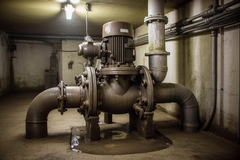
Hidden within the mechanical underbelly of many households, sewage pumps provide the essential service of moving wastewater from your home to the mains. These unsung heroes operate quietly away in your basement, tirelessly ensuring sanitation. Without them, the absorption system, especially in homes built below the public sewer line, would face irreparable disruption. For homeowners and commercial property managers seeking Dayton-area damage restoration services, understanding the longevity and lifecycle of sewage pumps can prevent disruptions and costly repairs.
This blog delves into the essential question: "How long do sewage pumps last?" It is pertinent not just for those who have faced sewer backups but also for anyone relying on these sturdy machines. We will guide you through normal pump lifespans, signs of impending failure, and considerations for replacements. Read on as we dissect the complex world of sewage pumps in detail, offering insights that blend technical knowledge with practical advice ready to serve as a reliable resource.
Understanding the Lifespan of Sewage Pumps
Sewage pumps, also known as effluent pumps, are designed to handle a tough job, and they perform tirelessly. On average, these pumps have a lifespan of up to 10 years; however, this can vary significantly depending on factors such as usage intensity, maintenance, and the quality of the pump itself. By examining these elements more closely, we can better understand how long sewage pumps last and when it might be time to consider replacement.
Factors Influencing Pump Longevity
Firstly, the frequency and volume of usage greatly affect a pump's lifespan. In households where the pump is used constantly due to high water output, wear and tear naturally set in earlier. On the other hand, consistent and correct usage matched with regular maintenance can enhance durability. Quality also plays a crucial role. Top-tier pumps with advanced materials and engineering can easily exceed ten years, while cheaper options may falter sooner.
Secondly, environmental factors like sediment levels, the presence of corrosive waste, and temperature fluctuations can lead to reduced efficiency and failure. Integration of compatible fixtures and the avoidance of atypical waste entering the sewage system can prolong life.
Signs Indicating a Need for Replacement
Recognizing when a sewage pump starts to fail can save you from unexpected surprises. Common signs include unusual noise during operation, constant cycling, and decreased efficiency in waste transfer. If you frequently notice these warning signals, it may be time to consult a professional. Additionally, visible signs of wear or rust on the pump's exterior should prompt an inspection and potential replacement.
Maintenance Tips to Extend Your Pump's Lifespan
Proactive engagement in routine maintenance can considerably extend the lifespan of a sewage pump. Here is a consolidated list of strategic actions to consider:
- Regular Inspection: Schedule periodic inspections to identify wear or bone buildup.
- Cleaning: Clear away any debris or sediment that accumulates in the pit.
- Check Switches and Floats: Ensure operational switches that aren't stuck.
- Professional Servicing: Consult with experts annually for thorough servicing.
- Backup System: Consider a backup pump to reduce strain.
- Mind the Load: Avoid flushing inappropriate materials.
A combination of these practices facilitates optimal performance, ultimately improving the pump's lifespan. Remember, effective maintenance not only mitigates breakdowns but also supports better water management within your property.
Replacement Considerations
When it's time to replace a sewage pump, proper selection can make a world of difference in efficiency and longevity. If selected correctly, the new pump may well suit your environmental conditions and water demands, making the transition smoother and maintaining home comfort seamlessly.
Choosing the Right Replacement Pump
Several factors come into play when choosing an ideal replacement, including capacity needs, materials, warranty coverage, and possibly new functionalities. Today's market offers pumps with self-diagnosing features and Bluetooth connectivity. However, sensor-based automated technologies should align with your personal preferences and budget constraints. Don’t shy away from investing in high-quality brands known for reliability and durability.
Timing the Replacement
Strategically timing the replacement of a sewage pump can prevent disruptions. If determined required, plan replacements during low-use seasons. Engaging in water damage cleanup in Dayton and its nearby areas, especially during the winter months, provides an excellent example of timely intervention that can safeguard against unexpected failures.
Professional Assistance
When undertaking either repairs or replacements, consider professional services available within your community. Local companies not only hold insights into regional demands but also customize solutions according to specific needs. The expertise offered by specialists such as Maximum Restoration provides optimal solutions tailored especially for the Dayton region.
Essential Advice for Dayton Residents
Living in Dayton, OH, you're no stranger to varying weather conditions and potential drainage challenges. Regular checks and maintenance of your sewage pumps can be critical, as localized flooding may compromise your systems, causing strain or damage. To reduce the need for fire damage restoration within vulnerable homes due to compromised sewage systems, robust protection solutions and timely interventions are recommended.
Partnering With Maximum Restoration
As the proud homeowners of Dayton and surrounding cities, one should feel confident about their infrastructure resilience. Companies like Maximum Restoration offer thorough expertise in handling intricate remediation work, ensuring your peace of mind. Services specializing in storm solutions ensure unforeseen disruptions remain manageable with fire damage restoration in Bellbrook and other services.
Understanding when to replace a sewage pump is crucial for ongoing peace of mind. Have confidence knowing sewage upkeep forms an integral component of home maintenance. Whether you live in a new property or a heritage house, embark on the journey toward proper sewage maintenance by partnering with trusted local service providers. As Maximum Restoration recommends, stay alert to signs of wear and rely on the best tools and expertise, resulting in a healthy home environment. Connect with us today!