24/7 Emergency Services - Call (937) 203-0123 for Immediate Assistance!
What Residents Should Know About Dayton Tap Water
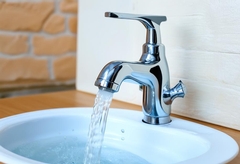
Is the water flowing from your taps perfectly safe? This is a question many residents in Dayton, Ohio might ask themselves daily. As it turns out, our water plays a more crucial role in our daily lives than we often acknowledge. Safe and clean drinking water is a fundamental necessity, yet various factors can affect its purity. Additionally, if you're dealing with water issues, knowing there's reliable emergency restoration in Dayton and its nearby communities, like Maximum Restoration, available to address urgent concerns, provides great peace of mind.
Understanding the quality and safety of Dayton's tap water is essential. As much as we use it for drinking, cooking, and cleaning, being informed about its source, treatment, and notable issues ensures you're taking proactive steps to preserve your health and that of your loved ones. In this blog, we’ll explore key factors about Dayton tap water, including its treatment processes, common concerns, and how residents can maintain safe water usage.
The Source of Dayton’s Water Supply
Dayton tap water is chiefly sourced from the Miami Valley Aquifer, a vast underground water reserve. This aquifer is replenished by the Miami River and its tributaries, making it a sustainable and reliable water source for the region. It's natural filtration through layers of sediment, sand, and gravel that removes many impurities before even reaching treatment facilities. However, this doesn't negate the need for stringent treatment processes given the potential for contamination.
Treatment Processes Ensuring Safety
Dayton's water undergoes a rigorous treatment process to ensure it meets health and safety standards. This includes steps like coagulation and flocculation, sedimentation, filtration, and disinfection. Chlorine, a common disinfectant, is used to kill bacteria and viruses, while additional treatments address other contaminants like lead and nitrates. Understanding this process highlights why it's crucial to follow water advisories and the importance of regular quality checks.
Common Contaminants and Concerns
While Dayton has a comprehensive water treatment system, potential contamination sources remain a concern. Issues like agricultural runoff, industrial discharge, and aging infrastructure can impact water quality. Awareness of contaminants like lead, nitrates, or organic chemicals is essential. Often, residents aren't immediately aware of these issues until they face health effects, making it vital to stay informed.
Ensuring Safe Water at Home
Home-based precautions can further safeguard the quality of water you consume. Consider installing water filters certified by credible organizations to reduce remaining contaminants that may affect taste or safety. Filters can be particularly effective for removing lead, chlorine, and other chemical residues, enhancing your tap water's condition before consumption.
Addressing Water Problems with Expert Restoration
In unforeseen instances such as floods or plumbing failures, Maximum Restoration provides crucial services for water damage cleanup in Dayton, ensuring the safe recovery of your home’s water systems. Beyond the immediate cleanup, it's important to ensure the prevention of mold growth or other issues that compromise indoor water quality.
Community Involvement in Water Quality
Active community involvement is pivotal in maintaining high water quality standards. Participation in local water conservation programs and staying abreast of local water quality reports can empower you with knowledge and the ability to advocate for necessary changes. Encouraging regular updates from local governments on infrastructure plans or potential contamination sources can engage more residents in proactive water management.
Trends in Water Conservation
Amid climate concerns and increased water usage, conservation remains an integral part of water management. Simple changes like fixing leaks, installing low-flow fixtures, and using rainwater harvesting systems can significantly reduce water waste. Community initiatives aimed at responsible water use collectively benefit all residents by preserving the aquifer and reducing treatment demands.
How Maximum Restoration Supports Water Safety
Maintaining your home's water safety can seem challenging, but locally available resources make it manageable. Maximum Restoration’s expertise in water management offers extensive support for any residential water challenges. Residents in nearby locations can also benefit from their specialized services, such as their mold removal in Fairborne, offering peace of mind for water safety.
Your responsibility as a homeowner involves being informed about your city's tap water quality and taking personal measures to ensure safety. With resources and professional services available, like those offered by Maximum Restoration, effective water management and crisis resolution in your home is well within reach. For more detailed information or personal consultation, consider reaching out to Maximum Restoration for expert guidance.
Every drop counts when it comes to your health and well-being. Stay informed, prepared, and proactive in maintaining your Dayton tap water quality, ensuring access to clean, safe water for you and your family while enjoying the reliability it provides.
Categories
Recent Posts
-
September 17, 2026
Ceiling Stains or Sagging? What Water Damage Can Look Like
-
September 15, 2026
Before the Next Storm - How to Flood Proof a Basement
-
September 9, 2026
Blue Mold on Wood? What It Means and What to Do Next