24/7 Emergency Services - Call (937) 203-0123 for Immediate Assistance!
What Is a French Drain? Benefits, Uses, and Installation Basics
Water has an uncanny ability to find its way into the most unexpected places, causing a variety of problems for property owners. If you're a homeowner concerned about water damage, you might be wondering: what is a French drain? Not only does it play a critical role in addressing drainage issues, but it's also an effective tool used by restoration contractors in Dayton, OH. These professionals routinely integrate French drains in their strategies to shield buildings from water damage, thus preserving their structural integrity.
Now, let's delve deeper into what makes French drains not just an ideal solution but also a beneficial addition for homes prone to water accumulation problems. They offer a range of advantages from redirecting water away from a structure to enhancing the longevity of the property itself. Through this exploration, we'll uncover the ins and outs of French drains, including their suitability for various applications, key components, and installation guidelines. With Maximum Restoration's expertise and services in the restoration industry, the insights provided here will be backed by practical knowledge and industry experience.
The Fundamentals of French Drains
What Is a French Drain?
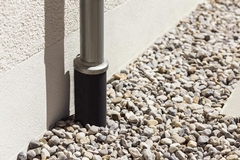
At its core, a French drain is a trench filled with gravel or rock that contains a perforated pipe. This setup serves to redirect surface water and groundwater away from an area. But what makes a French drain an essential tool in water management? The primary mechanism is gravity. As water collects in troublesome areas, it naturally flows through the gravel into the pipe. Its design encourages efficient drainage, making it applicable in various scenarios, from residential backyards to commercial properties.
Why Use a French Drain?
The versatility of French drains makes them a popular choice for many. Here are some specific reasons why they are widely adopted:
- Water Redirection: They efficiently redirect water away from foundations, mitigating the risk of basement flooding.
- Erosion Control: By diverting water flow, French drains help prevent soil erosion, particularly on sloped areas.
- Landscaping Benefits: They can discretely manage water runoff in aesthetic landscapes without altering the visual appeal.
- Cost-Effectiveness: A relatively straightforward installation process ensures that they remain an affordable option for most property owners and installation by professionals such as Maximum Restoration guarantees quality results.
Key Components of a French Drain
Understanding what comprises a French drain is crucial for effective installation and maintenance:
- Trench: The pathway dug into the ground to lay the drain. It should be strategically planned to ensure water flows naturally.
- Gravel: Used to fill the trench, it acts as a filter, allowing water to seep through while blocking larger debris.
- Perforated Pipe: The core channel for water movement, this pipe captures water and redirects it away from the problematic areas.
Installation Basics
Installing a French drain requires careful planning and execution. Although professional assistance is recommended, an understanding of the process can empower property owners to make informed decisions:
- Assessment and Planning: Begin by surveying the property to identify areas prone to water accumulation. Determine the best routes for redirecting water.
- Trench Digging: Excavate the trench to a suitable depth and slope, which ensures efficient water flow.
- Gravel and Pipe Placement: Lay a bed of gravel, position the perforated pipe, and cover it with more gravel.
- Final Touches: Cover the gravel with landscaping fabric to prevent soil intrusion, and finish off with a layer of topsoil or grass to merge it with the surrounding landscape.
Applications of French Drains
French drains are highly adaptable, used for a myriad of applications:
Residential Use
Homeowners frequently utilize French drains to tackle water problems in their yards or around basements. A well-installed system can substantially reduce the risk of water pooling, which can lead to foundation issues. Additionally, they can enhance landscape gardening projects by efficiently managing excess water runoff.
Commercial and Industrial Applications
In commercial settings, French drains are instrumental in controlling water around large buildings and parking lots. They help pave the way for precipitation to drain off efficiently, averting possible disruptions in operations or damage to infrastructure.
Use in Agriculture
Managing moisture levels is crucial in agriculture, and French drains offer an effective means to control water without harming crops. When integrated into farming practices, they ensure that land remains arable and protected from soil erosion.
Considerations for Installation
While French drains are a practical solution, certain factors should be considered to maximize their effectiveness:
- Soil Type: Different soil types absorb or repel water differently. Ensure that the drain's layout accommodates soil characteristics.
- Permits and Regulations: Before installation, verify if local regulations require permits for altering property landscapes.
- Maintenance: Regular checks are essential to ensure the pipe remains unobstructed and functional.
When to Seek Professional Help
While some homeowners might opt for a DIY approach, the complexity often escalates with larger projects or complicated landscapes. Professional restoration companies such as Maximum Restoration in Dayton offer insightful assessments, precise installations, and long-term maintenance solutions. Whether it's mold removal in Dayton or installing a French drain, their expertise ensures superior results.
Your Partner in Protection and Restoration
Whether you are a homeowner dealing with a damp basement or someone who needs mold removal in Kettering and its nearby areas, French drains offer a reliable solution for preventing water-related problems. They serve as a bulwark against water intrusion and enable property owners to maintain the structural integrity of their assets.
Working with experienced professionals like those at Maximum Restoration in Dayton, OH, guarantees that your project will meet regional standards and specific needs. Their commitment goes beyond installing French drains. They offer comprehensive support, from systems assessment to water damage cleanup in Miamisburg. The next step is yours. Reach out to Maximum Restoration today to fortify your property against potential water hazards and enhance its longevity.
Categories
Recent Posts
-
August 23, 2026
Can Steam Cleaning Kill Mold Effectively?
-
August 21, 2026
Are Smoke-Damaged Clothes Dangerous to Wear?
-
August 17, 2026
Repair a Leaking Faucet in the Bathroom Step by Step