24/7 Emergency Services - Call (937) 203-0123 for Immediate Assistance!
Top 7 Innovative Techniques in Water, Fire, and Mold Damage Restoration You Need to Know
Water, fire, and mold damage may not be things we plan for, but they’re certainly things we must be prepared to handle. According to the National Fire Protection Association (NFPA), over $12 billion was lost to fire damage alone in the United States in 2020. The consequences of such incidents are not just fiscal but profoundly personal.
For homeowners in Dayton, OH, and beyond, safeguarding property from these destructive forces requires state-of-the-art solutions. In today’s fast-evolving restoration industry, traditional methods are being supplemented and often replaced by cutting-edge innovations that promise greater efficiency and cost-effectiveness. From environmentally friendly cleaning agents to drones assessing damage, the evolution of restoration technologies offers hope and a promise of resilience against disasters.
This blog delves into the top seven innovative techniques by damage restoration companies in Dayton, OH, such as Maximum Restoration. Whether you're facing the aftermath of a disaster or proactively seeking solutions, understanding these advancements could save your home and your peace of mind.
1. Advanced Water Extraction Techniques
The first line of defense against water damage is swift and efficient water removal. The innovation within this process has significantly improved damage limitation and cost management in restoration projects.
Techniques Explained:
- Subsurface Extraction : Traditionally, water extraction relied heavily on surface absorption, which often left moisture trapped beneath carpets and flooring. Subsurface extraction provides a more comprehensive solution by targeting water beneath carpets without removal, thanks to specialized equipment that penetrates through fibers.
- Weighted Extraction Tools : These tools compress carpet and pad, creating a wicking effect that draws out hidden moisture, which an Ohio-based water restoration company adapted with great success after severe floods in the area.
2. Thermal Imaging Cameras
Pinpointing the exact locations of moisture accumulation is vital to effective restoration. Thermal imaging cameras have revolutionized how professionals inspect properties suspected of water damage. This type of imaging is also part of Maximum Restoration’s water damage restoration services in Dayton.
Benefits:
- Precision : These cameras detect temperature variations, identifying damp areas behind walls, ceilings, and floors with unprecedented accuracy. This ensures targeted restoration, saving time and resources.
- Early Detection : Even if water hasn’t yet breached visible surfaces, it can be identified as hot spots or cold spots depending on its condition—wet or actively evaporating.
This technology eliminates guesswork, providing peace of mind and faster recovery times after storms common in the area.
3. Eco-Friendly Cleaning Agents
As environmental awareness grows, so does the demand for eco-friendly restoration solutions. Chemical-laden cleaning agents are rapidly giving way to biodegradable alternatives that protect both property and planet.
Applications:
- Botanical Disinfectants : Derived from plant compounds, these disinfectants eliminate mold spores and bacteria naturally and effectively.
- Non-Toxic Smoke Remediators : Special formulas also neutralize smoke odor without introducing harsh chemicals into the home atmosphere.
Residents are increasingly opting for these sustainable solutions, favoring long-term health implications and environmental impact over traditional methods.
4. Smart Restoration Analytics
The use of artificial intelligence and data analytics is transforming restoration strategies. By collating data from past incidents, restoration companies can predict potential risks and customize solutions for their clients.
Features:
- Predictive Analysis : Software tools that utilize data from various sources (such as weather forecasts, historical incidents, etc.) play a causal role in preemptive measures, enhancing risk management.
- Mobile Apps : Some companies deploy apps that provide clients with real-time updates on restoration progress, enhancing transparency and client satisfaction.
These advancements have already seen implementation in Dayton projects, where flood-prone areas are increasingly equipped to efficiently mitigate and manage flooding events.
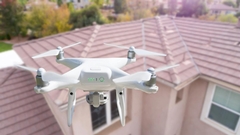
5. Drones and Robotics
Drones and robotic technology have become indispensable in the assessment of fire and water damage, especially in scenarios where hazardous conditions prevail.
Utilization:
- Aerial Surveys : Drones enable professionals to quickly and efficiently capture images of damage from above, ideal for evaluating roof damage post-storm.
- Robotic Inspections : Robotics can traverse precarious environments, such as flooded basements or fire-damaged attics, providing accurate visual evidence without jeopardizing safety.
The initial deployment of such technologies has garnered positive responses from local Ohio safety administrations, emphasizing not only increased efficiency but also improved safety standards for restoration teams.
6. Ozone Treatment for Mold Remediation
Mold can be a persistent problem long after water exposure has ceased. Ozone treatment stands as one of the most effective methods for addressing this issue.
Advantages:
- Complete Spore Elimination : Ozone's ability to oxidize organic compounds makes it highly effective in killing mold spores, even those hidden in hard-to-reach places.
- Air Quality Improvement : This treatment significantly enhances indoor air quality by neutralizing odors and toxic airborne particles.
Maximum Restoration’s application of ozone treatments has witnessed a steady increase, aligning with homeowners seeking robust, all-encompassing solutions.
7. Fire Restoration Kits
Innovation in fire damage restoration is perhaps most apparent in the development of comprehensive fire restoration kits, which facilitate faster, more thorough post-fire recovery.
Components:
- Soot Sponges : Specialized sponges that effectively clean soot from walls and surfaces without additional chemicals.
- Deodorizers : Specifically formulated to neutralize fire-related odors at their source.
- Safety Gear : Ensures that restoration can commence swiftly and safely, safeguarding workers from hazardous residue.
The tailored kits offered by our partners allow for an integrated approach to fire restoration, addressing the immediate removal of debris and long-term odor and residue management.
Restoration Reinvented With Maximum Restoration’s Cutting-Edge Solutions in Dayton
The evolution of technology in the restoration industry assures homeowners of more effective, efficient, and environmentally friendly solutions. From advanced water extraction methods to eco-friendly cleaning agents and robotics, the future of water, fire, and mold restoration looks increasingly promising. Each of these technologies and techniques represents the pinnacle of modern restoration practices, driving an industry-wide shift towards resilience and sustainability.
Residents of Dayton and beyond are encouraged to take advantage of these innovations, transforming potential disasters into manageable challenges. Whether you need fire damage restoration in Centerville or mold remediation in Englewood, Maximum Restoration is committed to bringing these state-of-the-art solutions to your doorstep, ensuring your home stays safe and secure against any disaster. For expert guidance or a quote, we invite you to contact us today.
Categories
Recent Posts
-
September 17, 2026
Ceiling Stains or Sagging? What Water Damage Can Look Like
-
September 15, 2026
Before the Next Storm - How to Flood Proof a Basement
-
September 9, 2026
Blue Mold on Wood? What It Means and What to Do Next