24/7 Emergency Services - Call (937) 203-0123 for Immediate Assistance!
Purple Mold: What It Is and Where It Appears
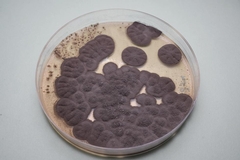
Mold is more than an unsightly nuisance; it's a health hazard and a structural threat to your property. While many homeowners are familiar with the usual suspects like black and green mold, there is another, less common but equally concerning intruder, purple mold. Imagine discovering an unexpected burst of color in your basement or even within the walls of your home. But what exactly is purple mold, and where does it make its unwelcome appearance? Exploring this unfamiliar mold can offer insight into the broader challenges of mold infestations, a focus of property damage restoration services in Dayton provided by Maximum Restoration.
Understanding the nature of purple mold is invaluable not just for removal purposes but also for safeguarding your health and investment. This post will uncover the nuances of where purple mold appears, the risks it brings, and how you can effectively address it. Keep reading to delve into this colorful, yet menacing, household intruder.
What Is Purple Mold?
Purple mold is a type of fungus that, as its name suggests, can appear in vibrant shades of purple. It thrives in damp, dark places, making it a common sight in basements, bathrooms, and attics. The color is determined by the specific mycotoxins produced by the mold spores, which can vary based on factors like their food source or environment.
- Characteristics: It can range from deep violet to light lavender and may sometimes present with a musty odor.
- Health Risks: Health concerns associated with purple mold often include respiratory issues, allergies, and skin irritations. It's crucial to note that mold sensitivity varies from person to person, and those with compromised immune systems are particularly vulnerable.
- Structural Threats: Beyond health implications, purple mold can compromise the structural integrity of your home, weakening wood, drywall, and other building materials over time.
How Purple Mold Develops
The development of purple mold shares similarities with other molds. The keys to its growth are moisture, warmth, and an organic food source. Often, it's shaped by underlying conditions like water damage, high humidity, or poor ventilation.
- Water Damage: Purple mold thrives in water-soaked areas. Leaky pipes, roof leaks, or flooding incidents provide the perfect breeding ground. If neglected, a small water leak can escalate into a significant mold problem.
- Humidity: Regions with high humidity levels create ideal environments for mold colonies. Keeping indoor humidity below 60% is often recommended to prevent mold growth.
- Darkness: Molds naturally favor dark spaces which explains why you'll often find them lurking in the shadows of basements or attics, traditionally ignored or under-visited parts of the house.
Common Locations for Purple Mold
Purple mold can settle in various places, including but not limited to:
- Basements: The naturally damp environment of basements makes them prime spots for different mold types, including purple mold.
- Bathrooms: With frequent exposure to moisture from showers and sinks, combined with often inadequate ventilation, bathrooms can quickly become a mold haven.
- Kitchens: The presence of food and moisture in kitchens creates an appealing setting for mold.
- Attics: Poorly ventilated attics that face occasional roof leaks are vulnerable to mold infestations.
Signs of Purple Mold Infestation
Identifying purple mold infestation early can be your best defense against its spread. Look for:
- Discoloration with purple or violet patches on walls, ceilings, or floors
- Musty odors that can't be explained by other causes
- Visible mold or mildew growth
- Increased allergy symptoms among household members
Prevention and Detection
Catching purple mold early and preventing its growth can save considerable time and expense down the line. Follow these essential tips:
- Fix Water Leaks Promptly: Ensure that any water leakages in pipes, roofs, or windows are expertly sealed and repaired.
- Control Humidity Levels: Use dehumidifiers, especially in basements or high-humidity areas of the house.
- Regular Inspections: Routinely inspect prone areas—basements, attics, and crawl spaces—for signs of mold.
- Ventilation: Ensure that your home is well-ventilated. Use exhaust fans in bathrooms and kitchens, especially during and after water use.
By being proactive, you can nip the problem before it advances to levels that demand expansive restoration work.
When to Seek Professional Help
Attempting to tackle a mold problem, particularly one of significant size, is rarely advisable because of the health risks involved. Here’s when to seek professional property help:
- Extensive Growth: If the area of mold growth exceeds 10 square feet, seek professional intervention for an appropriate response.
- Health Concerns: If any household members start experiencing persistent health symptoms, targeted mold analysis may be necessary for a healthier home environment.
- Complex Situations: Are there hidden or hard-to-access areas affected, such as HVAC systems, beneath carpets, or within wall cavities?
The Role of Professional Services
Professional mold remediation experts, like Maximum Restoration, offer trained expertise and resources that far surpass DIY methods. They come equipped with specialized equipment to identify, contain, and eliminate mold effectively. Moreover, professionals not only address mold but also the underlying causes to prevent future occurrences, whether employing techniques for mold removal, water damage cleanup, or ventilation improvements.
Importantly, resolving a mold problem can also alleviate related issues such as smoke damage restoration in Dayton and its nearby neighborhoods, ensuring that your indoor air quality is at its best.
Protecting Your Property and Health
Preventing and treating purple mold is as much about prevention as it is about awareness. Understanding the typical environments where purple mold thrives can keep your home healthy. Taking preventive measures not only protects your home but also the well-being of its residents.
Lastly, should you suspect or discover mold in your home, remember that geographic reach is critical. Our services aren't confined to a single area. Whether you need mold removal in Miamisburg or water damage cleanup in the Oakwood area, we stand ready to support your needs across Dayton and beyond. Engage with Maximum Restoration to ensure a cleaner, safer living environment for you and your family.
Categories
Recent Posts
-
September 17, 2026
Ceiling Stains or Sagging? What Water Damage Can Look Like
-
September 15, 2026
Before the Next Storm - How to Flood Proof a Basement
-
September 9, 2026
Blue Mold on Wood? What It Means and What to Do Next