24/7 Emergency Services - Call (937) 203-0123 for Immediate Assistance!
Comparison: Central vs Local Fire Alarm
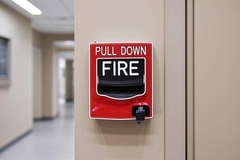
Fire safety is a critical aspect of maintaining any property, be it residential or commercial. It's not just a matter of safeguarding the building structure, but also about ensuring the protection of its occupants. An intriguing aspect of fire safety is the choice between different alarm systems, specifically central vs local fire alarms. These two systems serve the same fundamental purpose but in significantly different ways. By understanding the differences, property owners can make informed decisions that could complement damage restoration services in Dayton, OH. This blog will delve into the nuances of both systems, helping you understand which might be better suited for your needs.
Fire alarms are pivotal in providing an early warning in the event of a fire, potentially saving lives and minimizing damage. However, the choice between central and local systems can significantly impact efficiency and cost. Central fire alarms connect to a wider security system, often linked with professional monitoring services, while local alarms operate independently within the premises. This comparison will explore the intricacies of each system, including installation costs, response times, and long-term maintenance, assisting property owners in making an educated choice.
Understanding Central Fire Alarms
Central fire alarm systems are a staple in large buildings or complexes that span multiple floors or have extensive square footage. These systems are integrated with a central monitoring service that keeps a constant watch for any signs of fire. When they detect a fire, these alarms automatically alert emergency services, providing swift action even if the property is unoccupied.
The central system's biggest advantage is its connection to a network of monitoring professionals. This offers peace of mind that someone is always overseeing the safety of the property. These systems often incorporate additional features such as smoke and carbon monoxide detection, intrusion alarms, and more, forming a comprehensive security network.
On the flip side, central fire alarms can be more expensive to install and maintain. This is due to the need for professional monitoring services and the complex infrastructure required to connect various components across a large property. Yet, the investment pays off in the quality and reliability of the protection offered, especially for commercial properties.
The Simplicity of Local Fire Alarms
Local fire alarms function independently and are an excellent choice for smaller properties or individual residential units. They are designed to alert occupants within the building to the presence of smoke or fire through loud sirens. These alarms are often battery-operated or hardwired into the property's electrical system, making them relatively easy to install and maintain.
The most significant advantage of local fire alarms is their cost-effectiveness. They are generally less expensive than central systems, as they do not require ongoing monitoring fees. This makes them an ideal choice for homeowners or small business owners who need efficient fire safety without the extra cost of monthly monitoring services.
However, local fire alarms rely on occupants being present to hear the alarm and take action, a critical factor to consider for properties that are often vacant. Without a direct line to emergency services, there’s a risk of delayed response unless a resident or neighbor calls for help in time.
Comparing Cost and Accessibility
The decision between central vs local fire alarm systems often comes down to cost and ease of access. Central systems, with their professional monitoring and complex networks, tend to be more expensive upfront with ongoing costs. They do, however, offer broader coverage and a higher degree of protection, which can be invaluable for businesses or large properties.
Local systems are generally more accessible to the average homeowner, with lower installation and maintenance costs. They provide immediate warning to occupants, but don’t automatically alert emergency services, which can result in delayed professional response in some cases.
Installation Complexity: Central vs Local
When it comes to installing a central fire alarm system, the process is generally more involved. It typically requires professional installation due to the complexity of connecting multiple units within a central network and integrating them with existing electrical systems. These systems also need to be configured to communicate effectively with a monitoring center.
Local systems are often more straightforward to install. Many products come with user-friendly instructions and can be set up by homeowners without professional assistance. However, for those who prefer a seamless process or lack the time to install themselves, hiring a professional provides added assurance of proper installation.
Response Time: Critical in Emergencies
One of the most crucial aspects to consider in the central vs local fire alarm debate is response time. Central systems have a notable advantage because they automatically alert emergency services. This ensures a rapid response, regardless of whether anyone is on-site, significantly reducing potential fire damage.
Local alarms, however, depend on someone hearing the alarm and contacting emergency services. This could result in slower response times, particularly if the property is empty or the occupants are incapacitated. It’s an important factor for those seeking the fastest possible emergency response.
Legal Requirements and Insurance Implications
The choice between central and local fire alarms can also be influenced by legal requirements and insurance considerations. Some jurisdictions and property types, particularly those involving commercial or multifamily residences, may require central systems. Insurance providers may offer discounts for properties with central alarms due to their enhanced safety.
Conversely, local alarms often suffice for standalone residential properties, where individual action is considered adequate. It’s imperative for property owners to check local regulations and consult with insurance companies to understand the implications of their choice.
Fire Damage Restoration Services in Dayton, OH
In the unfortunate event of a fire, a swift and efficient response is key to minimizing damage. For residents of Dayton, OH, damage restoration services can be a lifeline. Fire damage restoration in Dayton not only includes cleaning up and repairing the aftermath but also helping to restore normalcy quickly. This is where the choice of fire alarm system can intersect with restoration efforts: a faster response facilitated by the right alarm choice can reduce damage, potentially lowering restoration costs and enhancing safety.
Energy Efficiency and Environmental Impact
Central systems often integrate with other building systems, such as HVAC and lighting, for increased energy efficiency. However, their overall environmental impact can be higher due to the additional power consumption of monitoring equipment. Local systems, while less complex, have a minimal environmental footprint, mainly involving battery usage or minimal electrical consumption.
Consideration for Specific Needs
Every property is unique, demanding a customized approach to fire safety. Businesses located in high-risk areas, such as industrial districts or locations with historical fire incidents, may benefit from the robust protection of central systems. Meanwhile, local systems could be ideal for homes where occupants are always present, providing immediate alerts without ongoing costs.
For Maximum Restoration, specializing in fire damage restoration, it's crucial to educate clients in Dayton, OH about making preventive choices that align with effective restoration should the need arise. Understanding the specific needs of a property can lead to a more effective fire safety strategy, ensuring protection aligned with restoration objectives.
Fire Damage Restoration
For those in Dayton, having an efficient fire alarm system is not just about safety, but also about mitigating potential recovery costs. Companies like Maximum Restoration are available to provide expertise in situations requiring fire damage restoration in areas like Riverside. Ensuring a suitable alarm system can lead to faster response times, reducing damage, and aiding quicker recovery.
Partner with Maximum Restoration for Fire Safety and Beyond
Choosing the right fire alarm system is one piece of the larger puzzle of maintaining a safe property. For residents and businesses in Dayton, OH, partnering with Maximum Restoration ensures expert guidance in both preventive measures and post-incident recovery. Their expertise in fire damage restoration, coupled with a deep understanding of local needs and resources, makes them a valuable ally in safeguarding your property.
Every decision about fire safety contributes to the immediate and long-term well-being of occupants and properties alike. By weighing the pros and cons of central vs local fire alarms and making informed decisions, property owners can enhance their fire safety strategy, benefitting from reduced risks, compliance with local laws, and improved recovery processes. Reach out to Maximum Restoration for comprehensive support and ensure your properties are as safe as they can be.
Categories
Recent Posts
-
September 17, 2026
Ceiling Stains or Sagging? What Water Damage Can Look Like
-
September 15, 2026
Before the Next Storm - How to Flood Proof a Basement
-
September 9, 2026
Blue Mold on Wood? What It Means and What to Do Next