24/7 Emergency Services - Call (937) 203-0123 for Immediate Assistance!
Can You Stay Home During Mold Remediation? Safety Factors
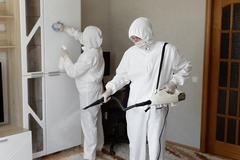
Can you stay at home during mold remediation? This question looms large for anyone facing mold issues and weighing the logistics of staying put versus seeking temporary accommodations. With companies offering damage restoration services in Dayton, the process can be made more manageable, but understanding the safety factors is key to making an informed decision.
Mold is not just an unsightly nuisance; it poses significant health risks, especially for those with allergies, asthma, or compromised immune systems. As mold remediation begins, considering the safety of staying home becomes paramount. In this article, we’ll explore whether you can safely remain at home during mold remediation and the factors that may influence your decision. We'll delve into the intricacies of mold removal processes and provide insights to help ensure your safety and peace of mind.
Understanding Mold Remediation
Mold remediation is a comprehensive process that involves several steps designed to remove mold and prevent its return. When addressing the question, "Can you stay in the home during mold remediation?", understanding these steps is critical. Remediation typically begins with an assessment to identify mold-affected areas and determine the extent of contamination. This is followed by containing the mold, removing materials saturated with mold, and cleaning and sanitizing infected areas.
Assessment and Containment
A thorough inspection assesses the magnitude of mold proliferation. Professionals will seal off the area to prevent spores from spreading to unaffected areas. This usually involves using physical barriers and negative air pressure systems.
Removal and Cleaning
All mold-infested materials, such as drywall, carpeting, and insulation, may need to be removed. Specialized cleaning agents and equipment are used to eradicate mold from hard surfaces.
Prevention Measures
Steps are taken to prevent future mold growth. These may include repairing leaks, enhancing ventilation, or using dehumidifiers to maintain a low-humidity environment.
Health Risks and Considerations
When considering whether you can stay in your home during mold remediation, personal health is a principal concern. Mold exposure can have adverse effects, ranging from mild irritation to severe respiratory issues. The presence of mold spores during the remediation process can exacerbate these health issues, escalating the need to assess the safety of staying at home.
Allergies and Asthma
Individuals with pre-existing conditions like asthma or mold allergies are particularly vulnerable to mold exposure. The release of mold spores during remediation can result in significant respiratory issues.
Immune System Sensitivity
Those with compromised immune systems, such as young children or the elderly, may experience heightened sensitivity to mold and should exercise caution.
Safety Measures to Consider
If you decide to remain in your home during mold remediation, implementing certain safety measures can help mitigate risks:
Isolate Areas
Ensure that all mold-infected areas are adequately sealed off from living spaces to prevent any cross-contamination.
Air Quality Control
Use air purifiers equipped with HEPA filters to reduce airborne mold spores, keeping indoor air quality safe.
Strategic Living Arrangements
Arrange to utilize unaffected areas of the home until the process is complete. Only enter remediation zones if necessary and with appropriate personal protective equipment.
When It's Best to Relocate
While some may manage the situation by implementing safety measures, there are scenarios where vacating the home might be the best option. Consider relocating temporarily when:
Extensive Mold Presence
If mold has infested multiple areas of the home or if the entire HVAC system is affected, staying in the house could be unsafe.
Presence of Vulnerable Individuals
If there are highly susceptible individuals in the home, such as infants or those with severe respiratory conditions, relocation is advised.
Comprehensive Remediation
During intensive treatments, such as using chemicals or when extensive removal and restoration are necessary, leaving the premises is often safer.
Practical Tips for a Safe Mold Remediation Experience
To further enhance safety during the mold remediation process, consider these practical tips:
Professional Services
Engage a reputable mold remediation company in Dayton and its nearby communities to ensure the process is effective and adheres to health and safety standards.
Monitor Progress
Stay informed about the stages of remediation. Regularly communicate with professionals to understand when areas will be safe to reoccupy.
Post-Remediation Testing
After remediation, conduct an indoor air quality test to ensure that mold spore levels are within safe limits. This step guarantees that the home is safe for reoccupation.
Professional Assessment and Services
Understanding the nuances of "can you stay in your home during mold remediation" requires expert guidance. Maximum Restoration offers professional mold removal in Dayton, providing services tailored to ensure your home's safety and integrity. Equipped with industry-best practices, they help you decide whether staying in your home is feasible while addressing mold issues efficiently.
Take Action for a Mold-Free Home
Navigating the complexities of mold-related challenges is crucial for maintaining a safe living environment. If you’re experiencing mold-related issues, don't hesitate to seek professional services for mold removal in areas like Riverside. Trusting a qualified team ensures that you and your family can return home safely, with minimized risk and peace of mind.
Ultimately, every mold situation is unique. Whether you choose to stay home or opt for temporary accommodations, the decision should prioritize health and safety above all. For comprehensive mold remediation services that prioritize your family’s well-being, reach out to Maximum Restoration today and ensure a safe, mold-free environment in your home.
Categories
Recent Posts
-
September 17, 2026
Ceiling Stains or Sagging? What Water Damage Can Look Like
-
September 15, 2026
Before the Next Storm - How to Flood Proof a Basement
-
September 9, 2026
Blue Mold on Wood? What It Means and What to Do Next