24/7 Emergency Services - Call (937) 203-0123 for Immediate Assistance!
Can Mold Grow on Water and How It Spreads
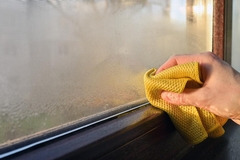
When it comes to the persistent issues of mold growth, some questions puzzle homeowners more than others, such as "can mold grow on water??" Given the right conditions, mold can appear in the most unexpected places. As the demand for emergency restoration in Dayton and its nearby regions rises, it's essential to understand not just how mold behaves but also how it infiltrates our environments, finding its way into our homes' most vulnerable spots.
Mold requires moisture to grow, but its presence in water directly is less common. However, surfaces that come into contact with water, such as walls, ceilings, or even under carpets, are prime breeding grounds for mold. Knowing the conditions that allow mold to flourish is crucial for effective prevention and management. As we delve into the intricacies of mold growth, we aim to provide practical insights into safeguarding your home.
Understanding Mold and Its Habitats
Mold is a type of fungus that thrives in damp, warm, and humid conditions. It reproduces by forming tiny spores, which are not only invisible to the naked eye but can travel through the air effortlessly. These spores can land on any surface, and when combined with moisture, they can begin to grow within 24 to 48 hours. This quick adaptation is why understanding mold's behavior is integral to its control.
How Mold Reacts With Water
To truly answer the question, "can mold grow on water?" one must explore the nature of mold. Although mold cannot grow directly on water, since water itself lacks the organic matter that mold needs to feed on, it thrives on surfaces exposed to water. When spores land on wet surfaces like drywall, wood, or even dust on water, that's where growth begins. Stale or still water in basements or bathrooms often provides such surfaces.
Conditions Favorable for Mold Growth
Let's break down the primary conditions needed for mold to grow and what that means for water-related surfaces:
- Moisture: Mold loves moisture, making surfaces that stay wet for extended periods ideal for spore germination.
- Warmth: Mold generally thrives between 77°F and 86°F, common temperatures in many homes.
- Nutrients: Organic materials like wood, paper, or dust accumulated on surfaces offer the nutrients mold needs.
The Role of Stagnant Water
While mold itself does not grow on water, stagnant water is often laden with organic debris, from dust to dirt to insect bodies, which can provide the necessary nutrients. If a surface continually exposed to stagnant water is not adequately dried or cleaned, it acts as a fertile ground for mold.
Mold Spreading: From Water to Home
When mold finds a suitable environment, it can spread rapidly throughout your home. This spread occurs through:
- Airborne Spores: As mold produces spores, they become airborne and locate new sites to colonize, often traveling to hard-to-reach areas like behind wallpaper or inside air ducts.
- Water Migration: Leaks and floods transport spores to new locations, allowing mold to exploit the nutrients present.
The Domino Effect of Water and Mold
Consider a simple leak under a sink. If left untreated, the moisture seeps into wall cavities and floors, creating not only visible mold but often hidden mold too. This unseen growth often requires professional intervention, such as mold removal in Dayton and beyond, to be adequately addressed.
Preventive Measures Against Mold
To prevent mold from capitalizing on water exposure, proactive strategies are key. It's all about controlling and managing the environment to deny mold the opportunity to thrive.
Combatting Mold Through Prevention
Addressing mold before it becomes a problem saves time, energy, and costs associated with extensive mold removal efforts. Here’s a methodical approach:
- Fix Leaks Promptly: Inspect plumbing and roofs regularly to catch and repair leaks before they lead to mold growth.
- Control Humidity: Keep indoor humidity below 60%. Dehumidifiers and air conditioners can help, especially in basements and bathrooms.
- Ensure Proper Ventilation: Use exhaust fans in kitchens, bathrooms, and laundry rooms to reduce moisture accumulation.
- Clean Surfaces Regularly: Ensure surfaces exposed to water are kept clean and dry, removing potential nutrient sources for mold.
Why Drying and Professional Intervention Matter
While DIY measures can effectively manage mold risks, persistent issues often call for expert solutions. Notably, complex problems like mold removal in Oakwood and its surrounding areas highlight the necessity of professional services.
Professional Restoration and Mold Management
Professional restoration services such as water damage cleanup, fire damage restoration, and mold removal bring advanced techniques and tools that ensure thorough de-molding and prevention of recurrence. Experts assess hidden mold and source identification, offering a layer of protection that home efforts typically lack.
Mold Myths and Facts: Setting the Record Straight
A commonly perpetuated myth is that bleach can completely rid surfaces of mold. While it can remove visible signs, bleach doesn't penetrate porous materials to kill mold roots. For a lasting solution, relying on professional mold remediation is advised.
Why Professional Services in Dayton, OH Shine
Choosing professional intervention for mold management and asbestos removal in the Dayton area embodies a comprehensive approach to home care. Trained technicians not only eradicate mold but also advise on future prevention, ensuring peace of mind.
Tailored Restoration Solutions Await
Awareness and decisive action against mold growth translate into healthier living spaces. Whether the challenge lies in managing humidity or securing structural integrity against water infiltration, understanding mold dynamics empowers homeowners to act swiftly. For those needing expert assistance, Maximum Restoration stands ready with solutions that extend beyond the basics, including water damage cleanup in Centerville, OH, and beyond.
When confronting the persistent concerns of mold growth near you, turn to trusted professionals who know how to effectively address them. Maximum Restoration provides comprehensive support tailored to the unique needs of your property, ensuring safety and longevity. Reach out today to discover how a proactive approach transforms mold challenges into manageable tasks.
Categories
Recent Posts
-
September 9, 2026
Blue Mold on Wood? What It Means and What to Do Next
-
September 7, 2026
After Fire Damage: How to Remove Soot from Metal Surfaces
-
September 3, 2026
[Wood Care Guide] Mold Treatments That Actually Work